
Protein Metabolism and Nutritional Role
Understanding Amino Acids and Protein Structure
Protein molecules are composed of amino acids linked together in specific sequences. The human body can synthesise 11 of the 20 amino acids it requires; the remaining nine—called essential amino acids—must be obtained through dietary sources. This is why adequate protein intake from diverse sources remains nutritionally important.
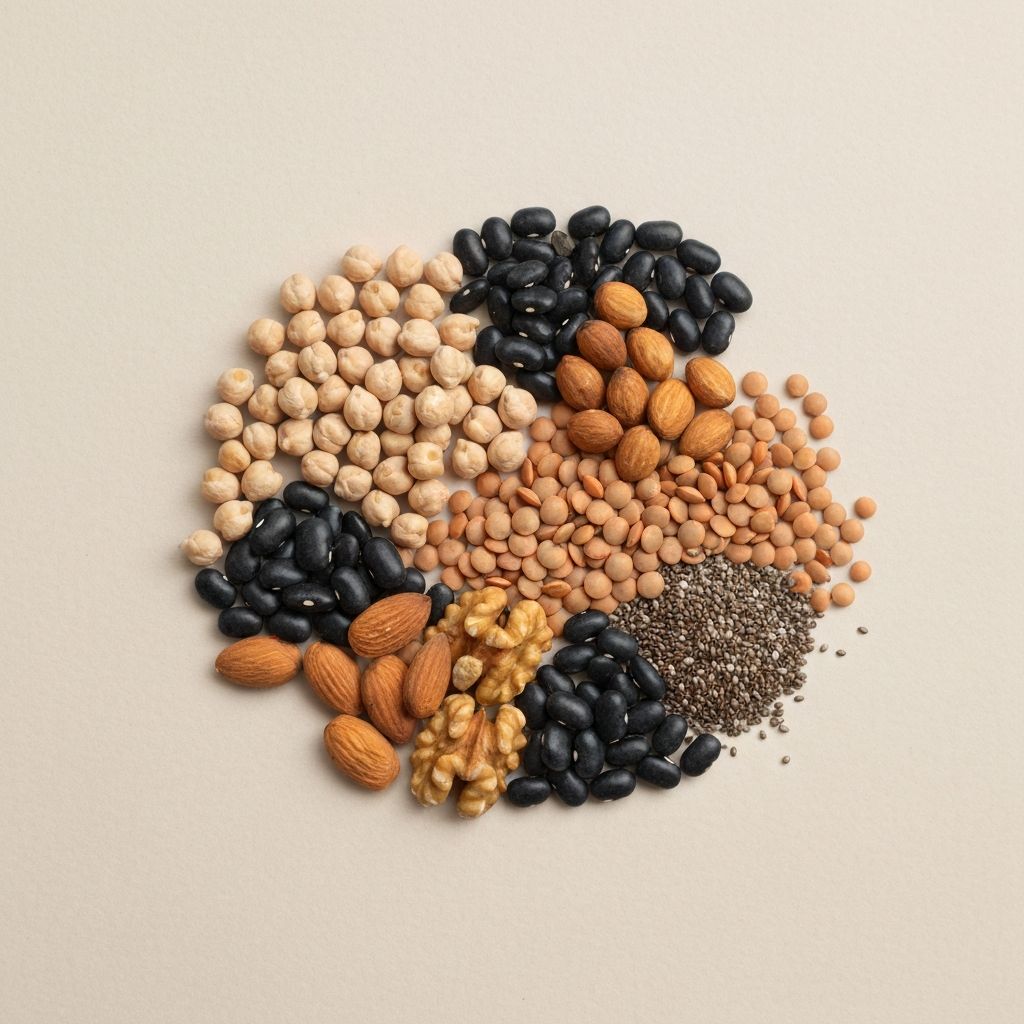
Protein from different sources contains varying amino acid profiles. Animal-based proteins (meat, eggs, dairy) generally contain all essential amino acids in adequate proportions, whilst plant-based proteins often require combination or varied selection to ensure complete amino acid intake. Individual requirements and food preferences influence optimal protein sourcing strategies.
Protein Synthesis and Tissue Maintenance
After consumption, dietary protein is broken down into amino acids through digestive enzymes and absorbed in the small intestine. The body then uses these amino acids to synthesise new proteins for tissue repair, enzyme production, hormone synthesis, immune function, and various other physiological processes.
Muscle protein synthesis—the process of building and maintaining muscle tissue—requires both amino acid availability and stimulus (such as resistance exercise). Protein intake timing, total daily intake, and the type of protein influence the efficiency of muscle protein synthesis. This explains why athletes and older adults often benefit from deliberate protein intake planning.
Thermic Effect and Energy Expenditure
Protein has the highest thermic effect of food (TEF) of all macronutrients, requiring 20-30% of its calories to be expended during digestion, absorption, and processing. In contrast, carbohydrates require approximately 5-10%, and fat requires 0-3%. This metabolic property means consuming protein increases overall energy expenditure compared to equivalent calories from other macronutrients.
The thermic effect of protein contributes meaningfully to total daily energy expenditure, particularly when protein intake is substantial. This difference partly explains why higher-protein diets often show different metabolic effects than lower-protein diets with equivalent total calories.
Protein and Satiety Mechanisms
Protein influences appetite hormones more powerfully than other macronutrients. Consumption of protein stimulates release of peptide YY and other satiety-promoting hormones whilst reducing hunger-stimulating ghrelin. This hormonal effect means protein intake produces greater perceived fullness compared to equivalent calories from carbohydrates or fat.
Individual response to protein's satiety effect varies considerably. Some people experience substantial appetite suppression from protein intake, whilst others notice minimal effect. Genetics, existing diet composition, meal context, and digestive factors influence how strongly an individual experiences protein-mediated satiety.
Protein Quality and Digestibility
Not all dietary protein is equally available for the body's use. Protein digestibility—the percentage of consumed protein actually absorbed and utilised—varies among food sources. Processing methods, food combinations, and individual digestive capacity influence protein availability.
The concept of protein quality encompasses both amino acid profile and digestibility. Animal proteins typically have higher digestibility, whilst some plant proteins contain compounds that reduce amino acid absorption. These differences inform individual protein sourcing decisions based on available options and personal circumstances.
Individual Protein Requirements
Daily protein requirements depend on body weight, activity level, age, and health status. General population recommendations range from 0.8-1.0 grams per kilogram of body weight daily, but athletes and older adults often benefit from intake at the higher end of this range or beyond. Individual requirements represent a spectrum rather than a single number.
The body has limited ability to store excess amino acids compared to other nutrients, suggesting consistent daily protein intake provides better results than sporadic high intake. However, the optimal distribution of protein throughout the day appears flexible, with both frequent small doses and concentrated single-meal intake producing similar overall effects in many individuals.
Understanding This Information
This article describes general principles of protein metabolism and recognised effects of protein intake. It does not provide personalised protein recommendations, predict individual outcomes, or advise on specific dietary approaches. Individual protein requirements depend on circumstances requiring professional assessment. For personalised guidance, consult qualified nutritionists or healthcare professionals.