
Carbohydrate Processing in the Body
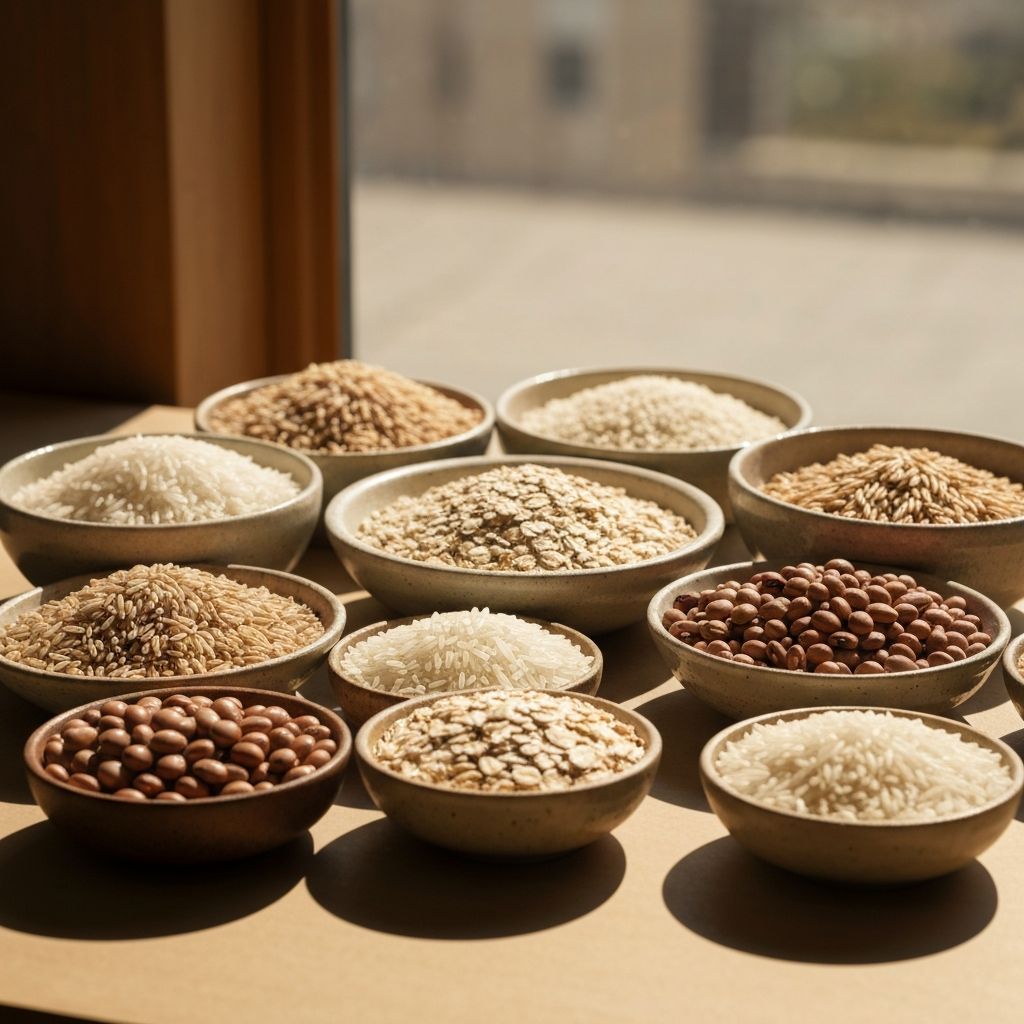
Carbohydrate Classification and Structure
Dietary carbohydrates are typically classified into simple sugars (monosaccharides and disaccharides), complex carbohydrates (polysaccharides like starch), and fibre (non-digestible carbohydrates). These categories reflect structural differences that profoundly influence how the body processes them and their metabolic effects.
Simple sugars include glucose, fructose, and sucrose, which are rapidly absorbed. Complex carbohydrates like those in whole grains require enzymatic breakdown before absorption. Fibre passes through the digestive system largely unabsorbed, exerting effects through other mechanisms including satiety and microbiota nourishment.
Digestion and Glucose Regulation
Carbohydrate digestion begins in the mouth and continues in the small intestine, where enzymes break complex carbohydrates into glucose molecules. Glucose enters the bloodstream, triggering insulin release, which facilitates glucose uptake by cells for energy or storage as glycogen.
Blood glucose response—how rapidly and dramatically blood glucose rises after carbohydrate consumption—varies among different carbohydrate sources. Foods rich in fibre, consumed with fat or protein, or those containing resistant starch generally produce slower, more gradual glucose responses. Individual insulin sensitivity also affects glucose regulation, making individual variation significant.
Glycemic Index and Practical Effects
Glycemic index (GI) measures how quickly a carbohydrate source raises blood glucose relative to pure glucose. Low-GI carbohydrates produce smaller, slower glucose rises, whilst high-GI carbohydrates produce rapid spikes. However, GI represents only one factor affecting metabolic response; portion size, food combination, and individual physiology also matter substantially.
The practical significance of glycemic response includes effects on satiety (rapid glucose spikes followed by crashes can trigger subsequent hunger), energy stability, and metabolic health. However, people respond individually to carbohydrate quality and quantity, meaning optimal carbohydrate selection varies among individuals.
Energy Storage and Glycogen
Glucose not immediately needed for energy is stored as glycogen in muscles and liver. Glycogen serves as readily available energy during physical activity and between meals. However, glycogen storage capacity is limited—humans can store approximately 300-600 grams of glycogen total. Once glycogen stores reach capacity, excess carbohydrate can be converted to fat for longer-term energy storage.
This means that consuming carbohydrates beyond glycogen storage capacity and immediate energy needs results in conversion to body fat, a process influenced by individual factors including activity level, muscle mass, and metabolic rate.
Fructose Processing and Metabolic Pathways
Fructose, found naturally in fruits and added as sweetener, follows different metabolic pathways than glucose. Unlike glucose, fructose bypasses the insulin-regulating step, instead being metabolised directly in the liver. This different pathway influences satiety signalling and metabolic responses.
High fructose consumption, particularly in isolated form (fruit juice, sweetened beverages), correlates with metabolic consequences including impaired satiety signalling and potentially altered lipid metabolism. However, the fructose naturally present in whole fruits comes with fibre, polyphenols, and physical structure that moderates its metabolic effects.
Carbohydrate and Athletic Performance
For individuals engaged in moderate to high-intensity physical activity, adequate carbohydrate intake supports performance and recovery. Carbohydrates fuel high-intensity exercise more efficiently than fat, and glycogen availability influences exercise capacity and recovery.
Carbohydrate requirements for athletic performance depend on activity type, duration, intensity, and frequency. Individual responses to different carbohydrate types, timing, and quantities vary based on training status, genetics, and digestive efficiency. Athletes typically benefit from intentional carbohydrate planning rather than arbitrary intake.
Individual Carbohydrate Tolerance
Individual tolerance and preference for carbohydrate foods varies significantly. Some people feel energised and satisfied with higher carbohydrate intake, whilst others experience better satiety and metabolic function with lower carbohydrate intake. This individual variation likely reflects differences in insulin sensitivity, taste preferences, and metabolic adaptation.
The "optimal" carbohydrate intake and type for any individual depends on their activity level, metabolic characteristics, food preferences, and health goals. Population-level patterns provide general guidance, but individual experimentation and assessment with professional support yield more meaningful results.
Understanding This Information
This article describes the physiological mechanisms of carbohydrate processing and general patterns in carbohydrate effects. It does not recommend specific carbohydrate quantities, types, or intake timing for individuals, nor does it predict individual outcomes. For personalised carbohydrate guidance, consult qualified healthcare professionals or nutritionists familiar with your specific circumstances.